How to Ensure Your Botox Looks Natural: A Guide from Your Injector
← Back to Blog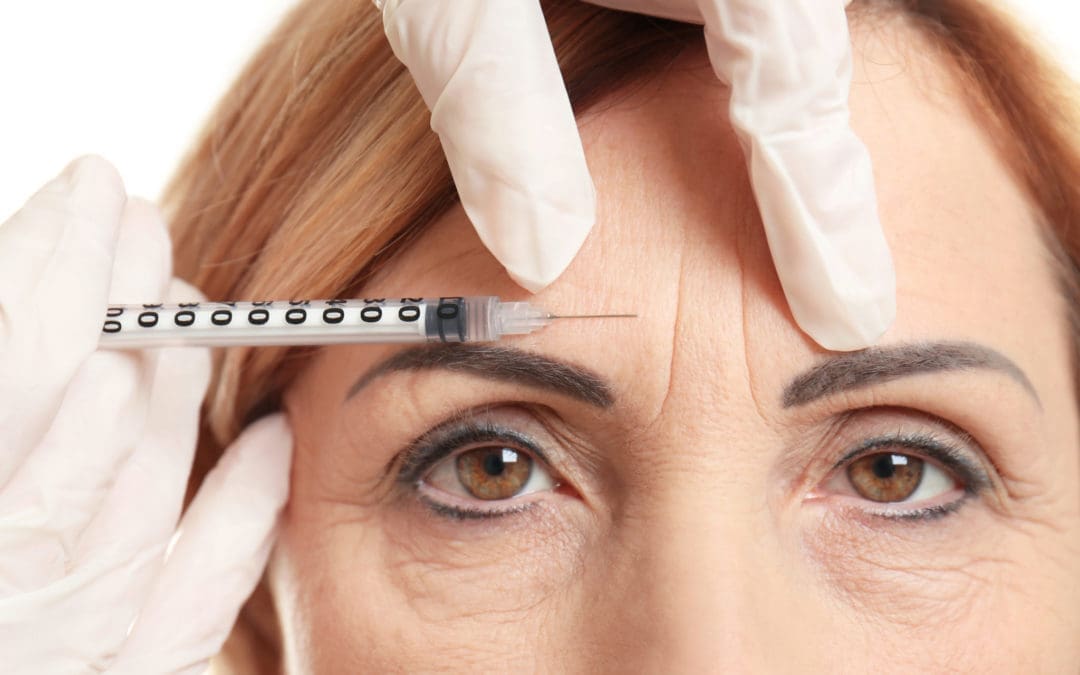
The fear of looking "done" is the number one reason people who want Botox hesitate to get it. It's a completely understandable concern — we've all seen the results that make people look frozen, surprised, or somehow simultaneously younger and stranger. Here's the honest explanation of how those outcomes happen and exactly what we do to prevent them.
Unnatural Botox results almost always trace back to one or more of the same root causes: too much product, poorly placed injections, inadequate anatomy assessment, or all three together. Let's look at each.
Over-dosing is the most common cause of the "frozen" look. When too many units are used in the forehead, the entire frontalis muscle is paralysed rather than simply relaxed. The skin becomes completely smooth — which actually looks abnormal because some forehead movement is natural and expected.
Poor placement can cause specific problems — injecting too low on the forehead can cause the brow to drop, creating a heavy, hooded appearance. Injecting too close to the midline of the forehead while targeting crow's feet can cause the central brow to rise, creating the "Mr. Spock" elevated brow look.
Inadequate assessment means not taking enough time before the first injection to understand how the patient's specific muscles move, where their natural brow position sits, and what dose is appropriate for their individual anatomy.
Before injecting anything, we ask you to go through a series of facial expressions — raising your brows, frowning, squinting, smiling. We observe exactly which muscles engage, how strongly, and where they're positioned relative to each other. This assessment takes several minutes and directly determines where we place each injection and how many units we use.
We then apply the principle of conservative starting doses. It is always possible to add more product at a 2-week review if the initial result is less than desired. It is not possible to remove product once injected. Starting with less is always the safer, smarter approach.
A useful internal standard we apply: after treatment, you should still be able to raise your brows slightly, still be able to frown slightly, still be able to produce all of your natural expressions — just with noticeably less wrinkle formation. If you can't move at all, there's too much product. We consider a completely immobilised forehead to be a poor result, not a good one.
The single most important factor in getting natural-looking Botox results is choosing a provider with deep anatomical knowledge and a conservative philosophy. Ask direct questions: How do you assess each patient before injecting? What's your approach to dosing? What happens if I'm not happy with the result? A provider who takes these questions seriously, answers them thoughtfully, and doesn't push you toward higher doses is a provider worth trusting.
Our dental background means we've spent years studying the intricate anatomy of the head and face. When we're placing injections, we're drawing on a level of anatomical knowledge that goes far beyond what most aesthetics providers have access to — and it shows in the precision and naturalness of the results.