Botox vs Anti-Wrinkle Injections: What's the Difference?
← Back to Blog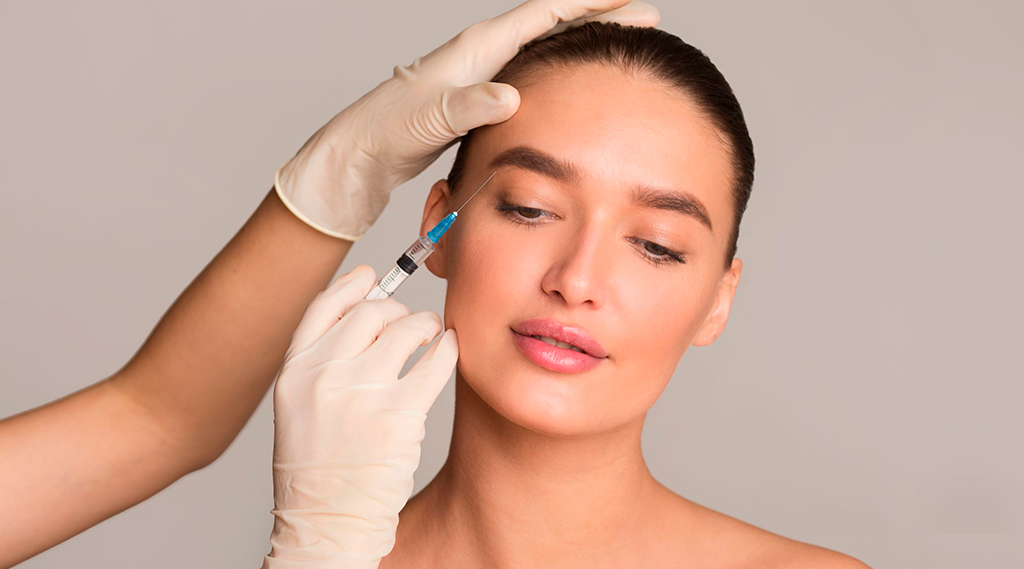
If you've been researching facial aesthetics, you've almost certainly come across both "Botox" and "anti-wrinkle injections" — often in the same breath. It's a common source of confusion, and understandably so. Here's the simple truth.
"Botox" is a brand name. "Anti-wrinkle injections" is the generic descriptor. The active ingredient in Botox is botulinum toxin type A — a purified protein that temporarily relaxes specific muscles. Other brands containing the same active ingredient include Dysport, Xeomin and Nuceiva. They all work the same way; they just differ slightly in formulation and dosing.
In the same way that "Kleenex" has become synonymous with tissues, "Botox" has become the catch-all term for neuromodulator injections. Clinics that advertise "anti-wrinkle injections" are almost always using Botox or one of its equivalents.
When you make a facial expression — squinting, smiling, frowning — specific muscles contract, causing the overlying skin to fold. Do this thousands of times a day for years, and those folds become permanent lines. Botulinum toxin interrupts the signal from the nerve to the muscle, temporarily preventing contraction. With the muscle relaxed, existing lines soften and new ones are prevented from forming.
The effect is temporary, typically lasting 3–4 months, after which the muscle gradually regains full function.
The most common treatment areas are the upper face — forehead horizontal lines, glabellar lines (the "11s" between the brows), and crow's feet around the eyes. These are areas of high muscle activity where lines develop quickly. Beyond the face, Botox is also used therapeutically for jaw pain and teeth grinding (masseter Botox), excessive sweating, and even migraines.
There are subtle technical differences between products — molecular weight, diffusion characteristics, dosing equivalencies — but in experienced hands, all of the major brands can deliver excellent, natural results. What matters far more than the brand is the skill, anatomy knowledge and aesthetic judgement of the person administering it.
The single most important factor is the clinical training and anatomy knowledge of your injector. Botulinum toxin works by targeting specific muscles — and the face is a complex network of muscles, nerves and vessels in close proximity. A provider with deep anatomical training (such as a dental professional, who spends years studying head and neck anatomy) is far better positioned to achieve precise, safe results than one who has completed a weekend certification course.
Conservative dosing philosophy also matters enormously. The goal should always be to look refreshed and natural — never frozen, puffy or obviously treated.