Microneedling: A Complete Guide to What It Does and Who It's For
← Back to Blog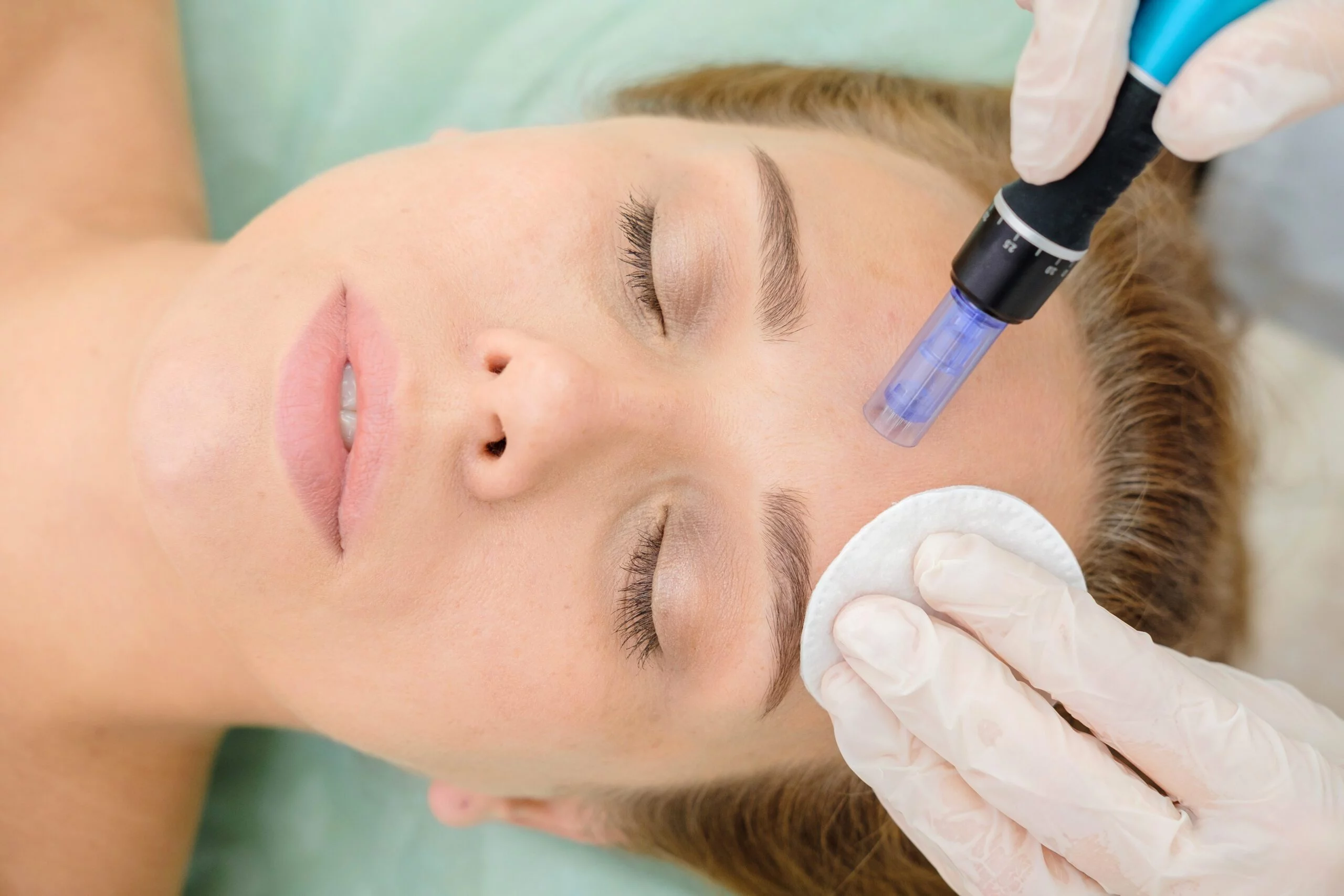
Microneedling has moved from niche dermatology treatment to mainstream skincare staple in the space of a decade. If you've seen it on your feed and wondered whether it could help your skin — here's the honest, complete picture.
Microneedling (also called collagen induction therapy) uses a device fitted with very fine needles to create thousands of controlled micro-channels in the skin's surface. These micro-injuries are too small to cause visible damage, but large enough to trigger the skin's wound-healing response — specifically, the production of collagen and elastin, the structural proteins that keep skin firm, smooth and youthful.
The depth of penetration (typically 0.5mm to 2.5mm depending on area and concern) is adjusted by the practitioner based on what you're treating.
The evidence base for microneedling is strongest for acne scarring, where multiple well-designed clinical studies have shown significant improvement. Beyond scarring, it's effective for enlarged pores, uneven skin texture, mild laxity, fine lines, stretch marks and general skin quality. It works across most skin tones — unlike some laser treatments which carry hyperpigmentation risk in darker complexions.
To be clear about what it doesn't do: it won't significantly address deep volume loss, severe laxity, active acne breakouts, or pigmentation caused by sun damage (where laser or chemical peels tend to be more effective).
Topical numbing cream is applied 30–45 minutes before treatment. The device is then passed methodically over the treatment area — typically the full face, though targeted treatment of specific areas is also common. The procedure takes 30–45 minutes. Immediately after, the skin appears red and flushed, similar to a moderate sunburn. This typically resolves within 24–48 hours.
For general skin quality improvement and early aging concerns, 3 sessions spaced 4 weeks apart is a good starting protocol. For moderate acne scarring, 4–6 sessions is typically recommended. Results continue to develop for 3–6 months after the final session as new collagen matures — which means the full outcome isn't visible immediately after finishing treatment.
The channels created during microneedling close within hours, but the skin is more sensitive and permeable for several days. This means: no active skincare ingredients (retinol, acids, vitamin C) for 5–7 days, SPF 50 religiously, gentle fragrance-free products only, and avoiding strenuous exercise or significant heat exposure for 24 hours. The skin's increased permeability in the 24 hours post-treatment can actually be leveraged — high-quality hyaluronic acid serums penetrate more effectively during this window.
Yes — and it's a particularly powerful combination. Botox addresses dynamic lines caused by muscle movement; microneedling improves overall skin texture, firmness and quality. Together, they address the two main contributors to facial aging from different directions. We typically recommend spacing them by 2 weeks to allow each treatment to settle properly.
Active acne breakouts, certain skin infections, blood-thinning medications, pregnancy, and some skin conditions (rosacea in flare, active eczema) are contraindications. A thorough consultation should always be conducted before treatment.